Dead Weight and Drift: Surviving Ranked When Your Teammates Are the Enemy
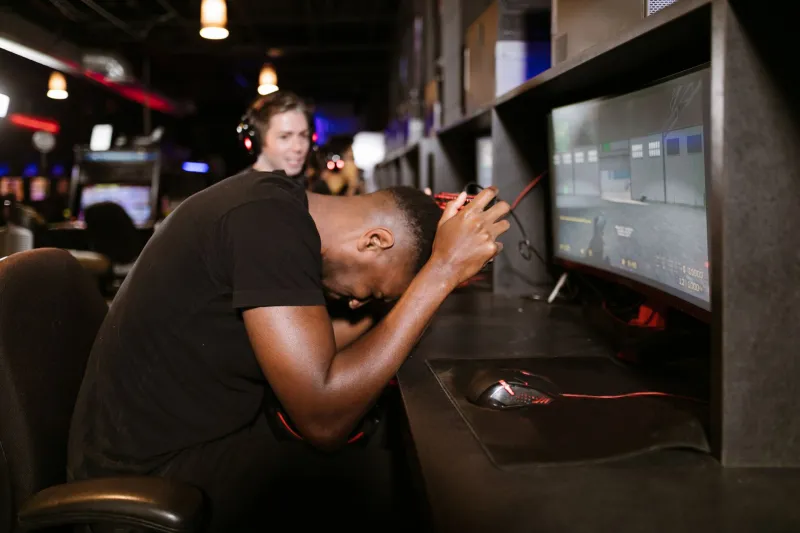
You've been there. You load into a ranked match, the game is barely two minutes old, and someone is already flaming in all-caps. Maybe it's the support who missed a heal. Maybe it's the jungler who decided your lane was a great place to throw. Either way, the vibe is cooked — and somehow, you're supposed to play your best game through it.
Here's the thing most players don't want to admit: the toxic teammate problem isn't just an annoyance. It's a ranked killer. And if you're serious about climbing, ignoring the psychological toll of bad team dynamics is one of the most expensive mistakes you can make.
The Numbers Don't Lie
Researchers studying team performance in high-stakes environments — from military units to sports teams — have found one consistent truth: negative communication inside a group doesn't just hurt morale, it actively degrades decision-making. In gaming, that translates directly to outcomes.
A study published by researchers at Brigham Young University found that teams with even one consistently negative member performed up to 30–40% worse on collaborative tasks than teams with neutral or positive communication. While that research wasn't gaming-specific, competitive gaming communities have run their own informal experiments. Streamers and coaches who've tracked their ranked sessions over hundreds of games consistently report that matches where flame wars break out in the first five minutes have noticeably lower win rates — sometimes dropping conversion rates by 15 to 20 percentage points compared to matches where the team stays calm.
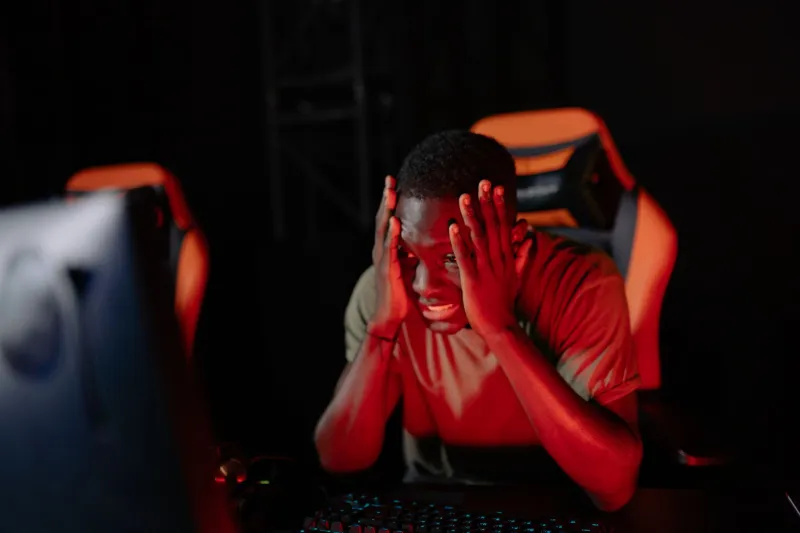
The reason isn't complicated. When a teammate starts berating you or going full keyboard warrior in chat, your brain shifts from problem-solving mode into threat-response mode. You stop thinking about optimal plays and start reacting emotionally. That half-second hesitation, that impulsive decision to fight when you should rotate — that's tilt doing its work.
Why You're More Vulnerable Than You Think
Most competitive players vastly underestimate how much external negativity bleeds into their own performance. There's a psychological concept called emotional contagion — basically, emotions spread between people like a virus. You don't have to agree with the flamer or engage with them for their energy to affect you. Just reading the words can be enough to spike your cortisol and narrow your focus.
This is especially brutal in ranked because the stakes feel real. You're not in a casual lobby. You've got LP, rank points, or leaderboard position on the line. So when someone starts pointing fingers, your brain amplifies the threat signal. You start playing not to lose instead of playing to win — and that mental shift alone is often the difference between a comeback and a surrender vote.
The dirty irony? The players who tilt hardest are often the ones who care the most. If you didn't give a damn about your rank, the flamer in chat wouldn't land. Your investment in the outcome is exactly what makes you susceptible.
Practical Moves That Actually Help
Kill the Chat Noise Early
This sounds obvious, but most players wait too long. The moment a teammate starts blaming others or going negative, mute them. Not after the third comment. Not after you've already replied. Immediately. You are not going to fix that person mid-match, and every second you spend reading their messages is a second your brain isn't on the game. Muting isn't weakness — it's self-preservation.
Reframe the Loss Before It Happens
Here's a mental shift that separates grinders from grinders who actually climb: stop treating every match as a binary win/loss event and start treating it as a data point. When you load into a game with a clearly tilted teammate, give yourself permission to accept that this match might not be winnable — and decide in advance that your goal is to play your personal best regardless. Did you make the right call in that fight, even if your team didn't follow? That's a win for your development, even if the scoreboard says otherwise.
This isn't cope. It's recalibration. Players who can extract value from losses climb faster because they're not hemorrhaging mental energy mourning outcomes they couldn't fully control.
Anchor to Your Own Decisions
One of the most effective techniques coaches recommend is what's sometimes called the "controllables focus" — before each match, write down two or three specific things that are entirely within your control. Your positioning. Your cooldown management. Your communication style. When a teammate goes sideways, redirect your attention to those anchors. It keeps you locked into your own lane (literally and figuratively) instead of spiraling over what the flamer is doing.
Shorten Your Session When the Tilt Hits
If you've taken two bad losses back-to-back in matches with toxic dynamics, stop. Seriously. Log off, get some air, do literally anything else for 20 minutes. The ranked queue will still be there. The research on decision fatigue is unambiguous — the more emotionally taxed you are, the worse your choices become. Playing a third or fourth match while already tilted isn't grinding, it's just donating LP.
The Bigger Picture
Here's what the best competitive players understand that the rest don't: you cannot control your teammates. Full stop. You will never queue into a game and have perfect control over the five people beside you. That's not a flaw in the system — it's the nature of team-based competition. The players who dominate ranked over the long run aren't the ones who somehow avoid bad teammates. They're the ones who've built systems to stay mentally clean regardless of what's happening in chat.
There's a reason top-ranked players in games like League of Legends, Valorant, and Overwatch consistently talk about mental game as the ceiling on their climb. Mechanical skill gets you somewhere, but if a single flamer can unravel your focus, you've got a leak in your game that raw aim or APM can't patch.
Your rank is a reflection of your consistency over hundreds of matches. One toxic teammate can cost you a game. But they can only cost you your rank if you let their energy live in your head rent-free.
Build Your Wall, Then Climb
The grind at DF999i Arena is real, and the competition doesn't care about your feelings — but that doesn't mean you have to absorb everyone else's negativity to earn your next rank. Mute fast, refocus hard, and measure your growth by your own decisions rather than by outcomes you can't fully steer.
Dead weight is a part of ranked gaming. The question is whether it's pulling you down or just along for the ride.