When the Devs Pull the Rug: How Patch Notes Are Quietly Deciding Who Wins Before the Match Even Starts
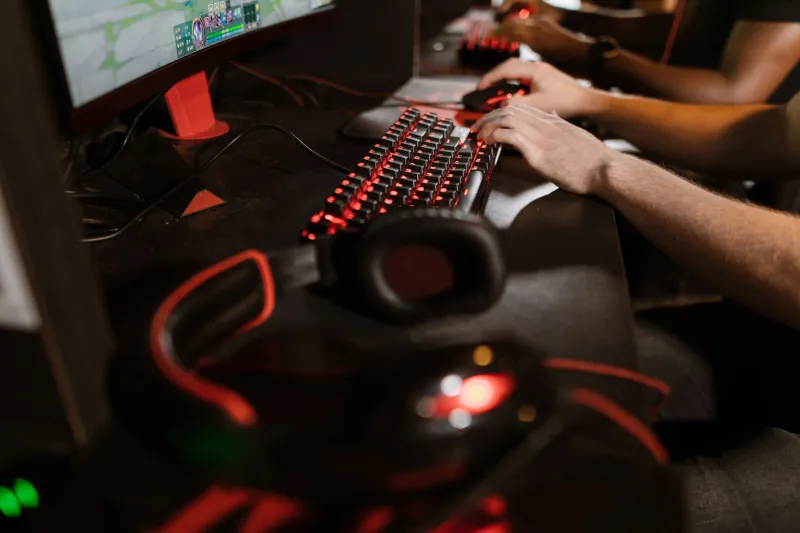
You log in on a Tuesday, queue up, and something feels off. Your main — the character you've spent hundreds of hours grinding — suddenly feels like you're playing underwater. The cooldowns are longer, the damage numbers don't hit the same, and the matchup you used to own is now a coin flip at best. You haven't gotten worse. The game just changed around you while you were sleeping.
This is the patch cycle reality that competitive gamers across every major title deal with on a near-constant basis. And while most players react to meta shifts, the ones actually climbing the ladder are ahead of them.
The Balance Update as a Hidden Leaderboard Reset
Here's the thing developers won't say out loud: every major patch is basically a soft reset of the competitive hierarchy. When a balance team nerfs a dominant pick or buffs something that's been sitting at a 44% win rate for two months, they're not just tweaking numbers — they're redistributing power across the entire player base.
The players who understand this treat patch day less like a maintenance window and more like opening bell on Wall Street. There's a window — usually 48 to 72 hours after a patch drops — where the ranked environment is essentially uncharted territory. Old strategies haven't been fully dismantled yet. New broken stuff hasn't been figured out yet. That window is pure opportunity if you know how to read it.
Top-level players in games like League of Legends, Valorant, Overwatch 2, and Street Fighter 6 have talked openly about this. The grind doesn't stop when a patch hits — it accelerates. Because everyone else is confused, and confusion is exploitable.
From Dumpster Tier to Oppressive Overnight
If you've played ranked in any live-service game for more than a season, you've witnessed the glow-up arc. Some forgotten, barely-played character or weapon suddenly goes from the bottom of every tier list to getting banned in every lobby within a week. It's not random. It's the direct result of a patch note that either buffed their core kit, indirectly nerfed their counters, or shifted the overall game speed in a way that made their playstyle viable.
Think about how often this cycle repeats. A support gets their healing numbers bumped by 15% and suddenly they're everywhere. A tank gets their damage resistance adjusted and the entire front-line meta collapses. A mobility nerf to one dominant character makes three slower characters suddenly competitive.
The players who are already grinding those sleeper picks when the buff lands? They've already built the muscle memory. They understand the matchups. They hit the ground running while everyone else is still watching YouTube videos trying to figure out what just happened.
How Pros Actually Use Patch Notes (And What You're Missing)
Most casual players skim patch notes looking for one thing: did my main get nerfed? That's the wrong question. The better question is: what does this patch change about the environment my main operates in?
Pro players and high-elo grinders read patch notes with a systems lens. They're not just checking raw numbers — they're thinking about ripple effects. If a high-mobility assassin gets slowed down, what does that mean for immobile carries? If a meta-defining support gets gutted, which other supports now fill that vacuum? These second and third-order effects are where the real edge lives.
A lot of serious competitors also pay attention to what didn't change. If a character was already strong and the patch left them untouched while nerfing everything around them, that's a de facto buff. The tier list just moved and they stayed still — which means they moved up relative to the field.
The Adaptation Tax: What It Costs to Fall Behind the Meta
Here's where it gets uncomfortable. If you're not actively adapting to patch cycles, you're paying what you could call an adaptation tax — a slow, invisible drain on your win rate and mental energy as you fight an uphill battle with a kit that's no longer built for the current environment.
This isn't about abandoning your main forever. It's about understanding when your main is swimming upstream and having the flexibility to pivot. Even a one or two-game dip into a currently overpowered pick can help you understand why it's strong, which ultimately makes you better at countering it when you go back to your preferred character.
The players stuck in rank purgatory are often the ones who refuse to engage with the meta at all — the "I'll play my main regardless" crowd. There's something admirable about that loyalty, but there's also a ceiling to it. When the game changes and you don't, the game wins.
Building Your Own Patch Radar
You don't need to be a pro to start leveraging patch cycles. A few practical habits can put you ahead of most of your lobby:
Read the notes on drop day, not a week later. The edge is in the first 48 hours. By the time content creators have published their "tier list after patch" videos, the window is already closing.
Follow the developer communication channels. Most studios telegraph changes before they're officially live — balance previews, developer blogs, community updates. These aren't secrets. Most players just don't bother.
Keep a short list of backup picks. You don't need to master ten characters. Having two or three alternatives you're comfortable with gives you the flexibility to pivot when the meta shifts hard.
Watch what's getting banned. In games with a ban phase, the community's collective ban patterns are a real-time tier list. If something suddenly starts getting banned in 80% of matches, that's the meta talking.
The Devs Giveth and the Devs Taketh Away
At the end of the day, every competitive game is a living document. The developers are constantly rewriting it, and the players who treat it that way — adaptive, curious, willing to reassess — are the ones who stay competitive across multiple seasons and meta cycles.
Your main getting nerfed isn't a death sentence. It's a pivot point. And your ability to respond to that pivot, rather than rage-quitting into denial, is honestly one of the more underrated competitive skills in the game.
Patch notes aren't just change logs. They're the new rules of engagement. Start reading them like it.